

Dental plaque is an invisible, sticky film that constantly forms on the teeth and gums. Although it may seem minor, understanding how dental plaque forms is essential for preventing oral health problems such as cavities, gingivitis, or periodontal disease.
This process begins almost immediately after brushing your teeth, as the bacteria in your mouth continuously interact with food debris and saliva. If it is not properly removed, plaque can harden and turn into tartar, which requires professional intervention to be eliminated.
In this article, we explain step by step how dental plaque forms and what you can do to avoid its negative effects.
Table of Contents
- What is dental plaque
- How dental plaque forms step by step
- Why dental plaque can damage teeth and gums
- How to prevent plaque buildup
- Products that help control dental plaque
- Frequently asked questions about how dental plaque forms
What is Dental Plaque
Dental plaque is a thin film made up of bacteria, saliva, and food debris that deposits on the teeth and gums.
Although some bacteria in the mouth are beneficial, others can cause problems when they accumulate excessively. That’s why maintaining a good balance in the oral microbiota is essential for keeping a healthy mouth.
How Dental Plaque Forms Step by Step
The formation of dental plaque is a continuous process that occurs in several stages:
Food and drink residues
Everything begins when food particles—especially those rich in sugars and starches—remain in the mouth after eating. These residues mix with saliva and adhere to the surface of the teeth.
Bacterial activity
Bacteria naturally present in the mouth use these food residues as a source of energy. During this process, they break down sugars and produce acids.
Formation of the sticky film
The combination of bacteria, acids, and food particles creates a sticky film that adheres to the teeth and along the gum line: dental plaque.
If this film is not removed through brushing and flossing, it can harden and turn into tartar, which can only be removed through professional cleaning.
Why Dental Plaque Can Damage Teeth and Gums
When dental plaque accumulates, it can cause several oral health problems:
- Tooth decay (cavities): acids produced by bacteria attack tooth enamel
- Gingivitis: inflammation of the gums caused by bacterial buildup
- Periodontitis: in advanced stages, it can affect the bone that supports the teeth
- Disruption of the oral microbiota: an excess of harmful bacteria upsets the natural balance of the mouth
That’s why it is so important to remove plaque daily.
How to Prevent Plaque Buildup
Preventing plaque accumulation is possible by following a proper oral hygiene routine:
- Brush your teeth at least twice a day, preferably after every meal
- Use dental floss daily to remove food particles between teeth
- Clean your tongue to reduce bacterial presence
- Maintain a balanced diet and limit sugar intake
- Visit your dentist regularly for check-ups and professional cleanings
These habits help keep plaque formation under control and protect the health of your teeth and gums.
Products That Help Control Dental Plaque
In addition to daily habits, choosing the right products can help control plaque formation.
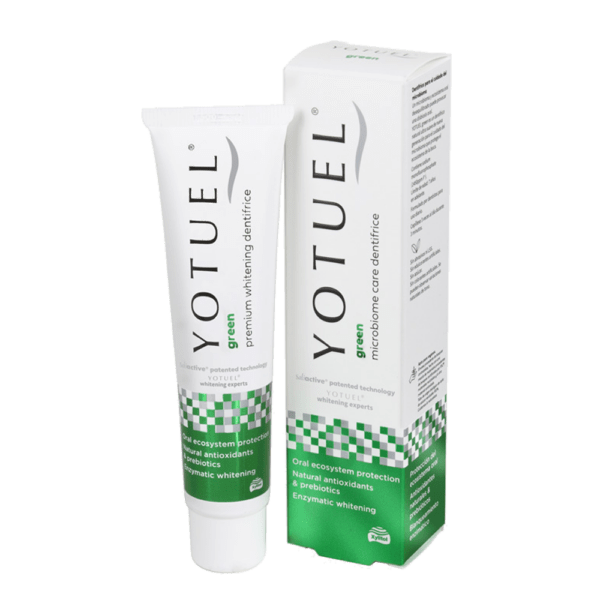
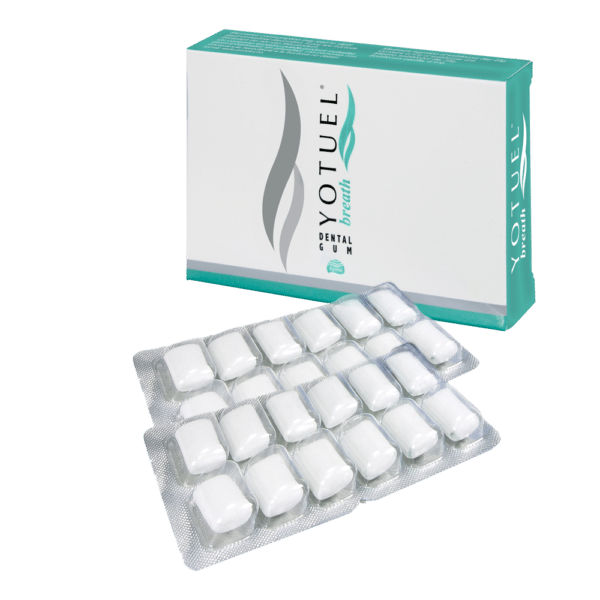
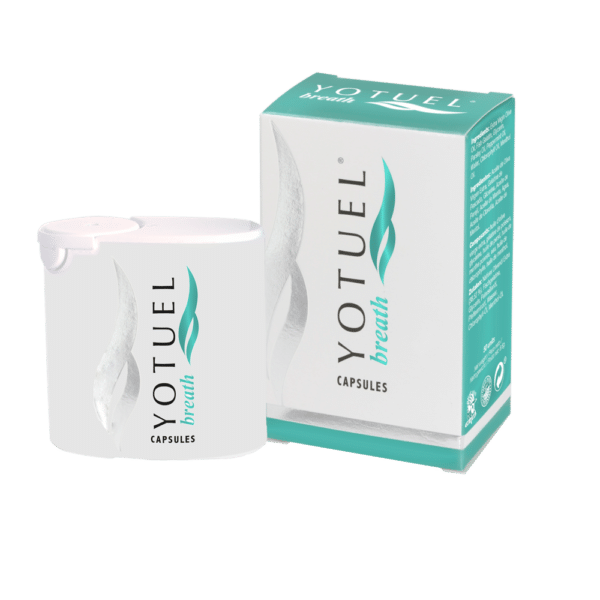
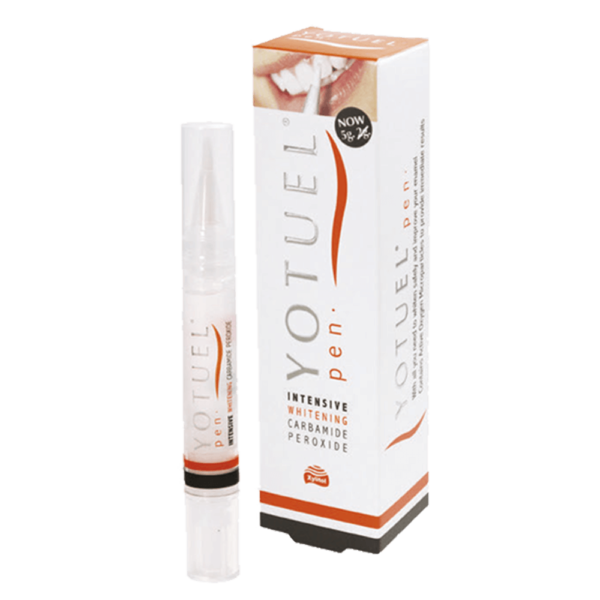
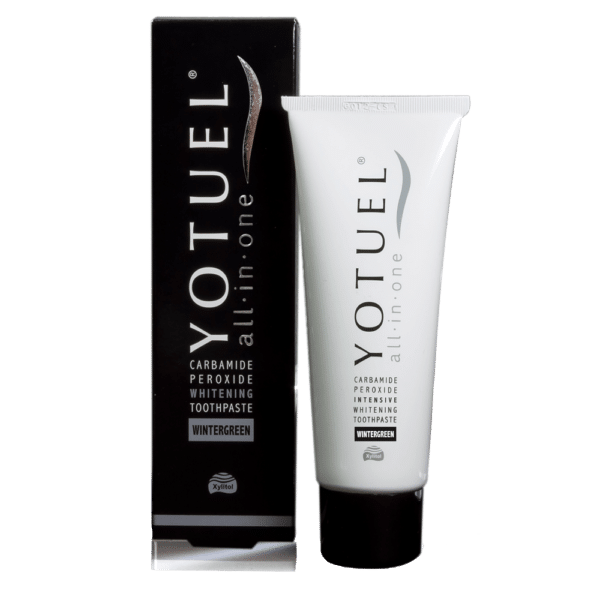
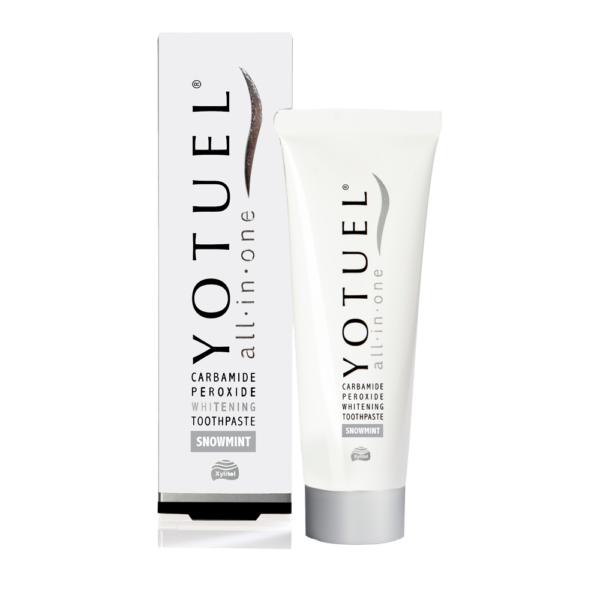
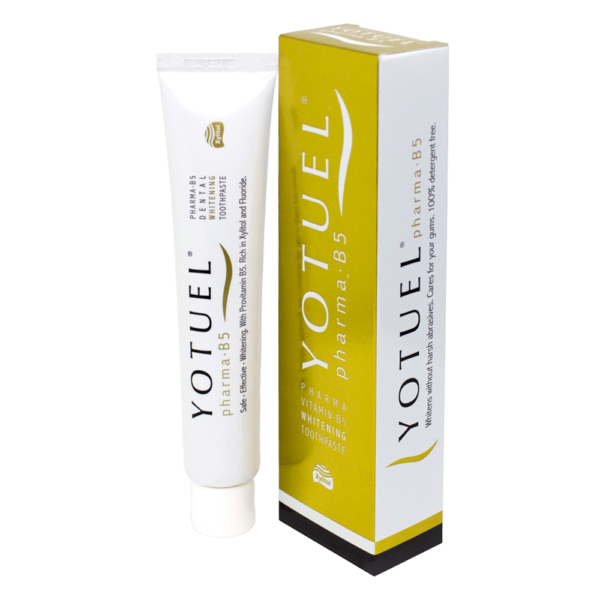
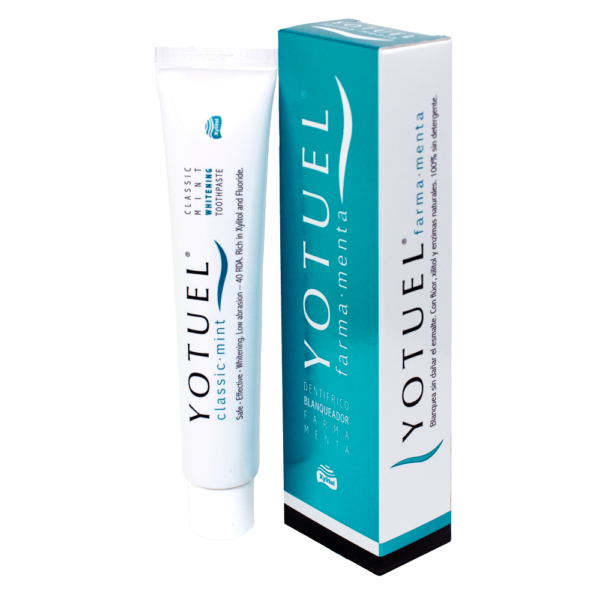
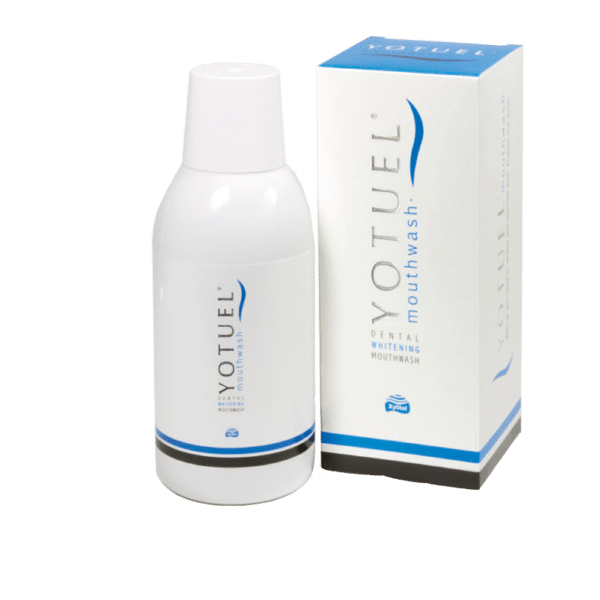
The YOTUEL Microbiome range is formulated to care for the balance of the oral microbiome and protect oral tissues:
- Contains prebiotics that promote the growth of beneficial bacteria
- Includes ingredients that help control plaque without disrupting the oral ecosystem
- Features ultra-gentle, SLS-free formulas that respect gums, enamel, and oral mucosa
Incorporating products that respect the oral microbiota helps maintain a healthy mouth and prevent excessive bacterial buildup.
Frequently Asked Questions About How Dental Plaque Forms
How long does it take for dental plaque to form?
Dental plaque can begin forming just a few hours after brushing. If not removed with proper oral hygiene, it can accumulate and harden within approximately 24 to 48 hours.
Why does dental plaque form?
It forms when food residues—especially sugars and starches—combine with bacteria present in the mouth and saliva. This mixture creates a sticky film that adheres to teeth and gums.
Can dental plaque turn into tartar?
Yes. When plaque is not properly removed, it can harden and turn into tartar, a more resistant substance that can only be removed through professional dental cleaning.
How can I prevent plaque from forming?
By maintaining a proper oral hygiene routine that includes brushing at least twice a day, flossing, cleaning the tongue, and visiting the dentist regularly.
Do YOTUEL products help control dental plaque?
Yes. The YOTUEL Microbiome range is designed to care for the oral microbiome and help control the growth of bacteria that contribute to plaque formation, maintaining the mouth’s natural balance.
Does dental plaque always cause dental problems?
Not necessarily, but if it accumulates and is not properly removed, it can lead to cavities, gingivitis, or periodontal disease. That’s why it is important to control it daily.